Exterminator Services for Bugs in North York, ON
Why Properties in North York Need Local Pest Management
North York, Ontario has a broad mix of detached homes, high-rise condos, and older apartment buildings, and that variety creates very different pest pressure points. A provider offering pest control North York residents can rely on needs to know how bugs and rodents move through basements, utility rooms, shared walls, parking areas, balconies, and rooftop access points. In a neighbourhood with dense housing and busy commercial strips, pests rarely stay contained for long.
Preventive pest control matters here because pest activity shifts through the year. Spring often brings ant trails and carpenter ants looking for moisture or wood decay. Summer is prime time for wasps, spiders, and other outdoor pests that find their way inside. By fall, rodents begin moving indoors for warmth, food, and harbourage. Local pest control is not just about extermination after a problem starts; it is also about prevention tailored to North York’s building styles and weather patterns.
Residential pest control in North York must also account for the way pests travel between neighbouring units, especially in multi-unit buildings. If one apartment has a cockroach infestation or mice activity, the issue can spread through walls, pipes, vents, and shared storage spaces. That is why a local bug exterminator should look beyond the obvious infested areas and treat the conditions that let pests return.
Typical Insects a Bug Exterminator Removes in North York
A trained bug exterminator in North York manages a broad range of insects and rodents, but some pests come up more often than others. The most frequent calls usually involve ant control, bed bug treatment, cockroach extermination, and rodent control. Each one needs a different treatment plan, inspection process, and prevention strategy.
Ants are especially noticeable in spring and early summer. In North York, carpenter ants can be a major concern because they may nest in damp wood, wall voids, or around leaks. They do not eat wood like termites, but they can still cause structural damage over time. Bed bugs are another regular issue, particularly in condos, older apartment buildings, and homes with frequent guest turnover. A proper bed bug treatment usually requires a thorough inspection, targeted application, and follow-up to reduce recurrence.
Cockroach extermination is often needed in kitchens, utility rooms, and multi-unit buildings where sanitation, moisture, and food sources give roaches easy harbourage. German cockroaches can expand fast and survive in tight cracks and warm areas, making early intervention important. Rodent control is also a key concern in North York, especially when cooler weather drives mice and rats indoors. Mice removal often involves baiting, trapping, entry point sealing, and sanitation improvements to reduce food access.
Other pests that local property owners often ask about include wasps, spiders, silverfish, cluster flies, and squirrels. Wasp nest removal becomes especially important in summer, while cluster flies are a frequent fall problem in homes near green space or older attics. Silverfish often appear in humid bathrooms, basements, or storage areas. Squirrels may chew into soffits, eaves, and attics, creating damage that goes outside nuisance activity.
Indicators of an Infestation Homeowners Should Not Ignore
An inspection should start as soon as you notice signs that suggest pest activity. Common warning signs include droppings, shed skins, grease marks, scratching sounds in walls, damaged packaging, live insects in kitchens or bathrooms, and unexplained bites or welts. These signs often point to an infestation that is already established, even if you have only seen one or two pests.
Look for entry points around windows, utility penetrations, vents, baseboards, and gaps under doors. Tiny openings can allow ants, mice, cockroaches, and even spiders to move inside. If pests are repeatedly showing up in the same area, that often indicates shelter nearby, such as behind appliances, in wall voids, under sinks, or in storage rooms.
Property owners should also monitor recurring activity after cleaning or DIY sprays. If pests keep coming back, the root cause may be hidden deeper in the structure. A thorough inspection helps identify infested areas and the conditions that support them, which is the key to long-term control.
Pest Removal Approaches Applied by Professionals
Expert extermination is usually more effective when it adopts an holistic pest management approach. Integrated pest management blends inspection, monitoring, sanitation, exclusion, and targeted treatment instead of using only a one spray or one-time service. This method is particularly useful in North York because properties span from single-family houses to dense condo towers and storefronts, each with different pest pressures.
For ants, a technician may use baiting to target the colony rather than only treating the visible trail. For rodents, trapping is often combined with sealing entry points and improving sanitation. Cockroach control may involve a blend of baits, crack-and-crevice applications, and residual treatment in hidden areas where insects travel. Residual treatment can help manage pests that contact treated surfaces after the initial visit, but it should be selected carefully based on the site and pest species.
Good pest management is not just about getting rid of what you can see. It is about reading movement patterns, nesting locations, and how pests are entering the property. A licensed technician should inspect likely harbourage sites, ask about the history of the problem, and build a treatment plan that addresses the infestation at its source.
Green and Reduced-Odor Treatment Choices
Many North York property owners want eco-friendly pest control options that are reliable but less disruptive to daily life. This can include non-toxic monitoring tools, targeted baiting, mechanical exclusion, and low-odour products where appropriate. The goal is to control pests while reducing unnecessary exposure and protecting people, pets, and sensitive building materials.
A licensed technician should explain which options are non-toxic, which require temporary precautions, and how each step supports property protection. In some cases, an eco-friendly approach may rely heavily on sanitation, exclusion, and monitoring first, then use a limited treatment only where needed. That kind of targeted strategy is often a good fit for condos, family homes, and businesses that want minimal disruption.
Environmentally friendly pest control is not about avoiding treatment entirely. It means choosing the least invasive method that still truly fixes the issue. When combined with careful inspection and follow-up care, it can be a solid option for many infestations in North York.
What to Anticipate during a Pest Control North York Service
When you choose a pest control North York company, the work should start with a careful inspection. The technician should pinpoint the pest species, gauge the severity of the issue, and determine where pests are accessing and nesting. From there, you should receive a treatment plan that explains what will be done, what products or methods will be used, and what steps you need to follow before and after service.
Inspection and follow-up are essential parts of successful pest control. A single visit may solve a minor problem, but larger infestations often need multiple appointments. Follow-up visits allow the technician to check activity levels, confirm whether baiting or trapping is working, and make adjustments if the pest pressure changes.
Many North York residents also look for same-day service, especially when the issue involves bed bugs, cockroaches, rodents, or wasps near entryways. Same-day availability can be especially useful for households, property managers, and small businesses that need fast action to reduce disruption. A strong service guarantee also matters, because it shows the company stands behind its work and is prepared to return if the problem is not resolved as expected.
Pest Solutions for North York Homes, Condos, and Businesses
Different property types in North York need different control strategies. Household pest control for detached homes often centers on basements, attics, garages, and exterior entry points. Condo pest control is more complex because pests can move through shared plumbing, hallways, garbage rooms, and wall voids. In those buildings, a problem in one unit can soon affect neighbouring suites if the source is not addressed.
Commercial pest control is even more specialized. Restaurants, offices, retail stores, warehouses, and property management sites all need preventive pest control to lower the risk of complaints, product loss, and reputational damage. Businesses in North York often need private inspections, documented treatment records, and a plan that works around operating hours.
Mice removal is a common need across all property types, especially where food waste, clutter, or structural gaps give rodents easy access. Preventive pest control is usually the best long-term strategy for homes and businesses alike because it reduces the chance of future infestations instead of waiting for a crisis.
Regional Building Types and Pest Pressure Factors
North York’s building mix creates several pressure points that pest professionals see often. Older apartment buildings may have aging pipes, utility penetrations, and worn seals that create entry points. High-rise condos may have issues in trash chutes, loading docks, shared mechanical rooms, and balcony gaps. Detached homes may face problems in basements, garages, attics, and around foundation cracks.
Sanitation plays a major role in pest activity, especially in multi-unit properties where garbage handling, recycling, and food storage are shared. When sanitation slips, pests find food at a quicker pace and spread with less effort. That is why one untreated area can turn into infested areas across several units. Recurrence is also more likely in dense buildings if the source is not fully controlled or neighbouring spaces are not addressed.
These area-specific factors are why pest control in North York should be property-specific rather than generic. A good provider will look at the building, the surrounding environment, and how the pest issue fits the property’s daily use.
How to Choose the Right Bug Exterminator in North York
The right bug exterminator should open with a careful inspection, not a quick sales pitch. Ask how they identify the pest, what indicators they look for, and how they decide whether the issue is active or historical. A reliable company should describe the treatment plan in clear terms and tailor it to your building type, whether you need condo pest control, residential service, or commercial support.
Make sure the company uses a licensed technician who is familiar with local pest behaviour and safe application methods. Ask about the service guarantee and what it covers. A robust guarantee does not replace good work, but it does signal confidence in the treatment and the follow-up process. Also ask whether the company provides inspection and follow-up visits, because that often makes the difference between temporary relief and lasting control.
If you are comparing services across the City of Toronto, promptness matters too. North York is part of a larger urban network, so many residents and businesses expect fast scheduling and responsive communication. The best provider will balance urgency with careful diagnosis, rather than rushing straight into extermination without understanding the problem.
Stopping Later Pest Issues After Treatment
After treatment, the focus should shift to year-round pest prevention and lasting prevention. Even when pests are removed, they can return if conditions remain ideal. Sealing entry points is one of the essential steps, because even small gaps can allow ants, mice, cockroaches, and spiders to get back in. Door sweeps, caulking, mesh screens, and repairs around pipes and vents can all help.
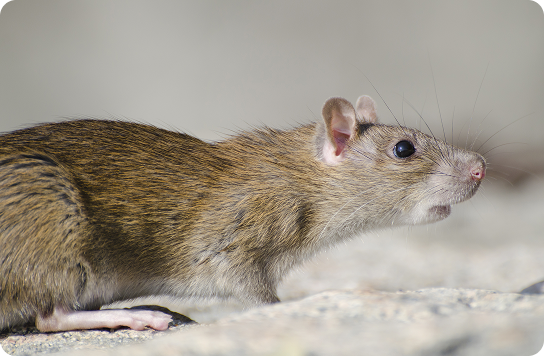
Sanitation is equally important. Keep food stored securely, remove garbage often, clean crumbs and spills promptly, and reduce clutter that can create hiding spots. In basements, storage rooms, and utility areas, minimizing harborage reduces the chance of recurrence. Outdoor maintenance matters too, especially around decks, foundations, and landscaped areas where pests may nest close to the building.
Preventive pest control often includes seasonal inspections or ongoing monitoring. In North York, that can be particularly useful before spring ant activity, during summer wasp season, and ahead of fall rodent movement. A preemptive approach helps property owners stay ahead of problems instead of dealing to them after damage or disruption has already https://mississauga-ongu048.lumenforgex.com/posts/can-pest-problems-come-through-walls-in-north-york-townhomes started.
When You Should Call for Prompt Pest Control Help
Certain pest situations should not wait. If you see multiple rodents, fresh droppings, or signs of chewing, call for rodent control quickly. Rodents can damage wiring, contaminate food, and spread fast through hidden routes. If a wasp nest is near an entrance, balcony, or play area, wasp nest removal should be handled urgently to reduce the risk of stings. Cockroach extermination also becomes urgent when you see activity in kitchens, bathrooms, or shared building areas, because roaches reproduce quickly and can spread through a property.
Immediate service is often the ideal choice for these high-pressure situations. Fast action can prevent a small issue from becoming a larger infestation, especially in condos, apartment buildings, and food-related businesses. If you suspect bed bugs, prompt bed bug treatment is also important to limit spread between rooms or units.
The key is not to wait until the pests become impossible to ignore. Rapid response, combined with a clear treatment plan and follow-up, gives you the best chance of restoring control fast.
FAQ About Bug Exterminators in North York
How do I know if I need a bug exterminator in North York?
You probably need a bug exterminator if you are seeing repeated pest activity, droppings, bite marks, damaged food packaging, live insects in kitchens or bathrooms, or noises in walls and ceilings. In North York, even a small sign can point to a larger problem because pests often move through shared walls, pipes, and hidden voids. A professional inspection can confirm whether you are dealing with an infestation and identify the entry points and harbourage sites involved.
What pests are most common in North York homes and condos?
The most common issues include ants, bed bugs, cockroaches, mice, wasps, spiders, silverfish, carpenter ants, cluster flies, and sometimes squirrels. Condos and older apartment buildings often see more cockroach and bed bug pressure because pests can spread between units and shared spaces. Detached homes may see more ants, rodents, spiders, and seasonal invaders depending on the property and surrounding area.
Is environmentally friendly pest control effective for North York pest issues?
Absolutely, eco-friendly pest control can be effective when it is matched to the pest and used as part of a full treatment plan. Safe monitoring, targeted baiting, exclusion, sanitation improvements, and low-odour products can control many common issues. For some infestations, especially in multi-unit buildings, the best approach combines eco-friendly methods with carefully selected treatments from a licensed technician.
How quickly can a pest control North York company respond?
Response times vary, but many companies offer same-day service for urgent problems such as rodents, wasp nests, cockroaches, and active bed bug concerns. Because North York is part of the City of Toronto, many residents review providers across nearby neighborhoods and expect fast scheduling. If the issue is time-sensitive, ask about availability, emergency response, and whether inspection and follow-up can be arranged promptly.
What should I do before and after pest treatment?
Before treatment, remove obstacles from access to the infested areas, follow any instructions from the technician, and minimize clutter so the inspection and application can be done properly. You may also need to store food safely, move furniture, or prepare for baiting or trapping. After treatment, keep up with sanitation, monitor for activity, seal entry points, and attend any scheduled follow-up visits. These steps help prevent recurrence and support long-term prevention.